
Real-Life Examples of Businesses That Transformed Through Automation
In today’s fast-moving world, manual processes are no longer just inefficient — they’re a barrier to growth, agility, and focus. At PeopleOps, we believe that intelligent automation isn’t about replacing people, it’s about elevating people: letting them spend time on the high-impact work, while automation handles the repetitive, time-draining stuff.
In this blog post we’ll dig into real-world case studies where organisations transformed their operations through automation. We’ll highlight the problems they faced, the pain-points, how automation intervened, and importantly — how PeopleOps helps you follow a similar journey.
Why Real-Life Examples Matter
When you hear “automation” many think of robots replacing jobs, or technology doing everything. The truth is subtler (and more powerful). Automation transforms how work gets done, not just who does it. According to industry studies, automation is showing up across HR, finance, procurement, field operations and more — practically in every department. (FlowForma)
By studying actual case studies, you get:
- Concrete problems and solutions (not just “we saved time”)
- Real metrics (hours saved, error-rates reduced, throughput improved)
- Insight into how humans + automation coexist (what we at PeopleOps call “automation with human feedback”)
- Inspiration for your own journey: what could be automated, when to start, how to measure success
Let’s jump in.
Case Study #1: Healthcare Admin Automation

The Pain Points
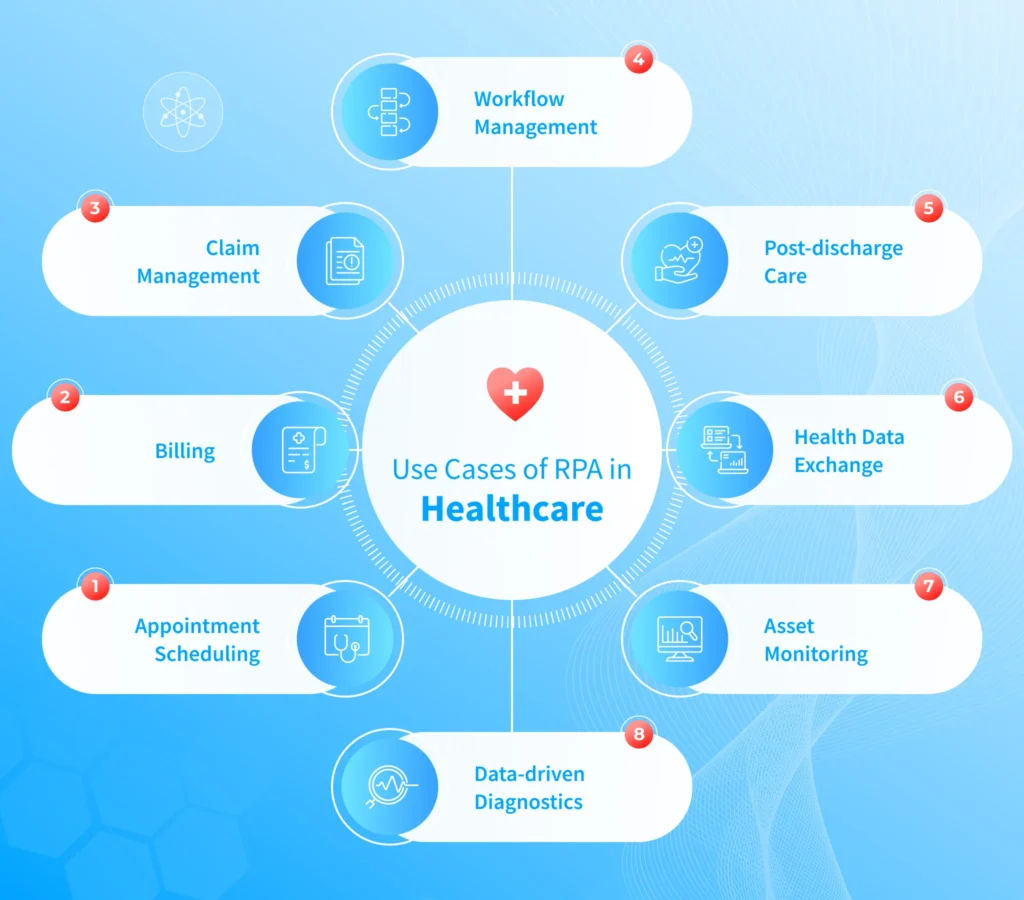
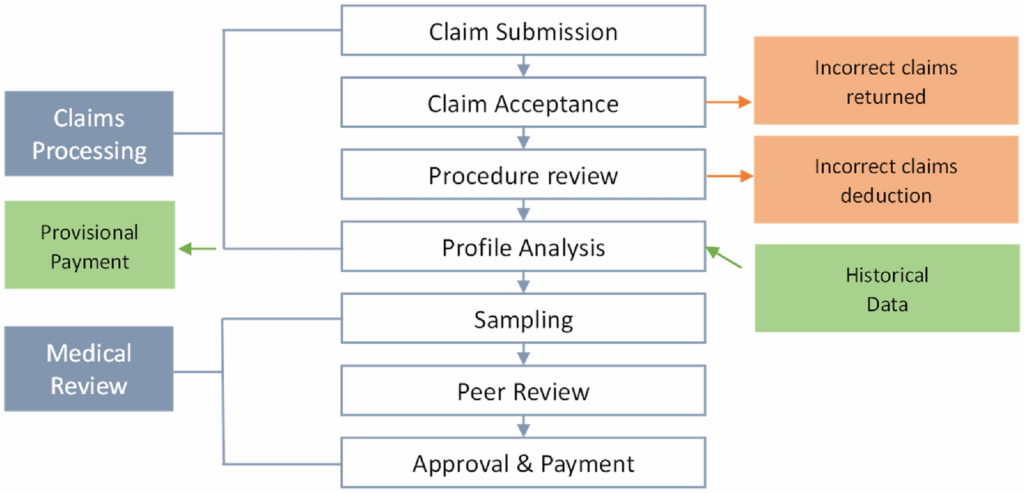
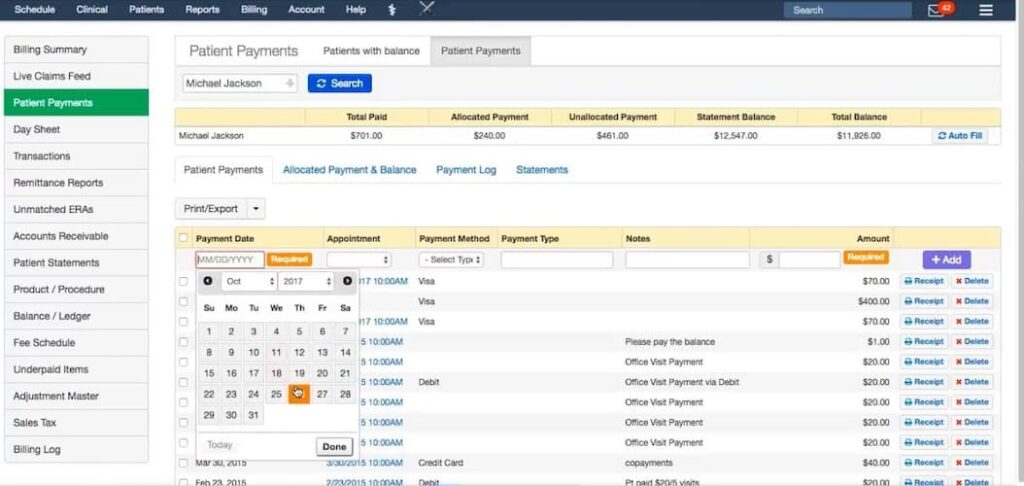
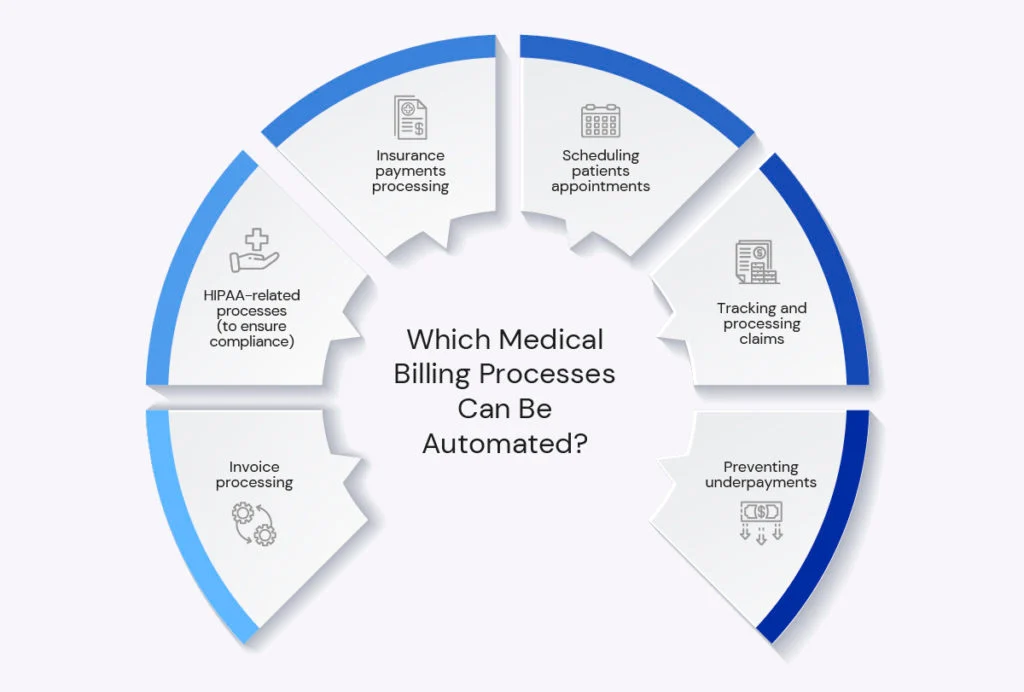
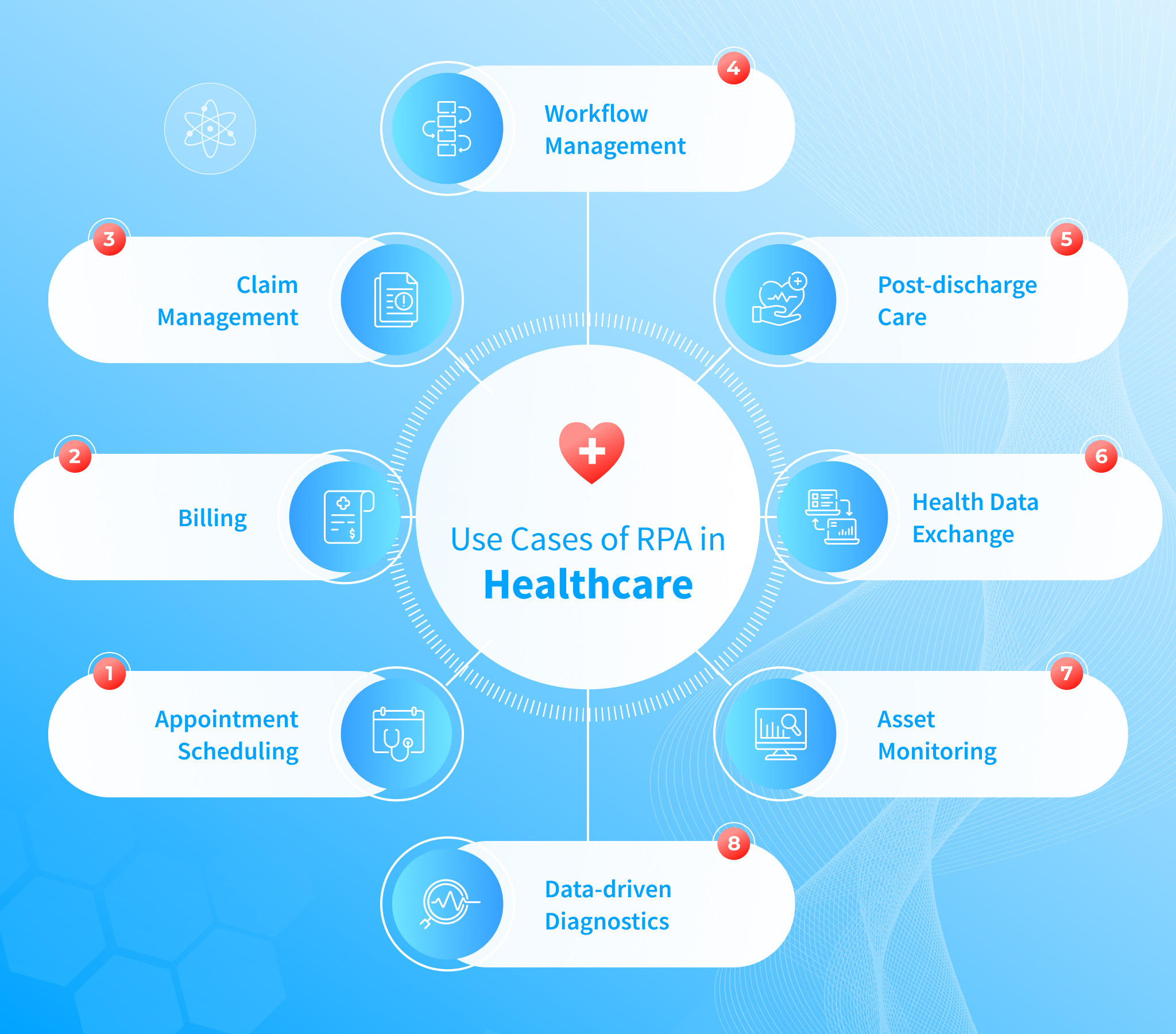
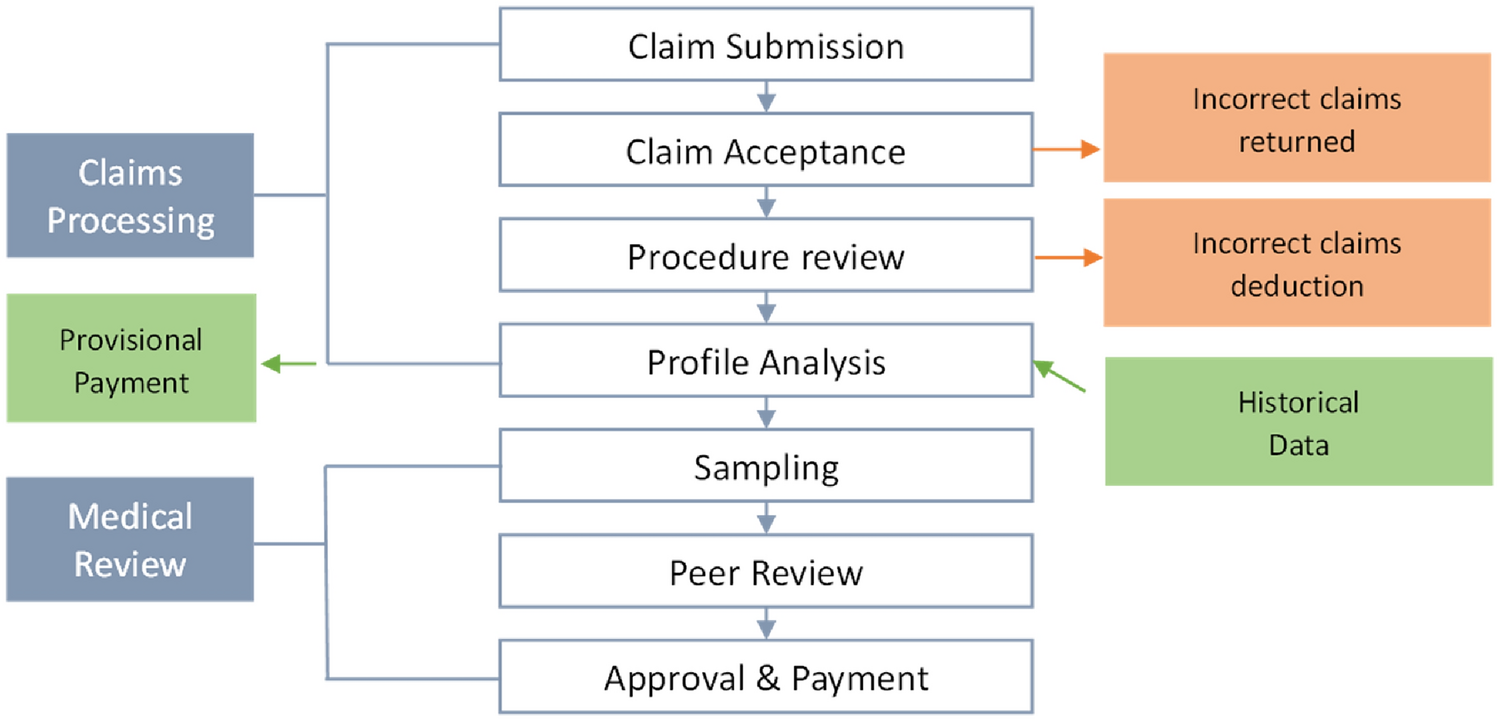
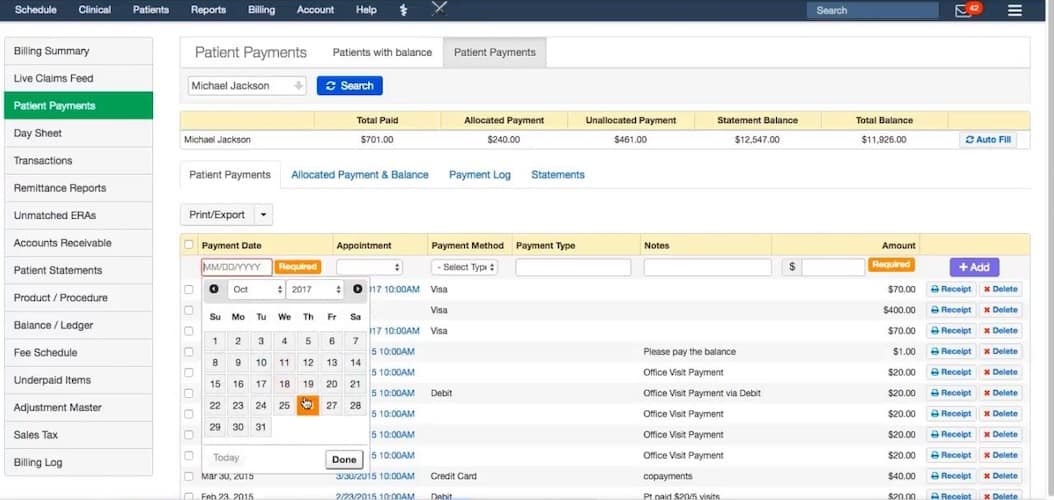
A large healthcare / revenue-cycle management firm (serving hundreds of organisations, processing hundreds of millions of transactions) was buried in manual work: insurance claims, billing, document processing, data entry. The manual processes caused:
- Long turnaround times
- High error rates
- Employees stuck on low-value tasks (instead of patient care, analysis, process improvement)
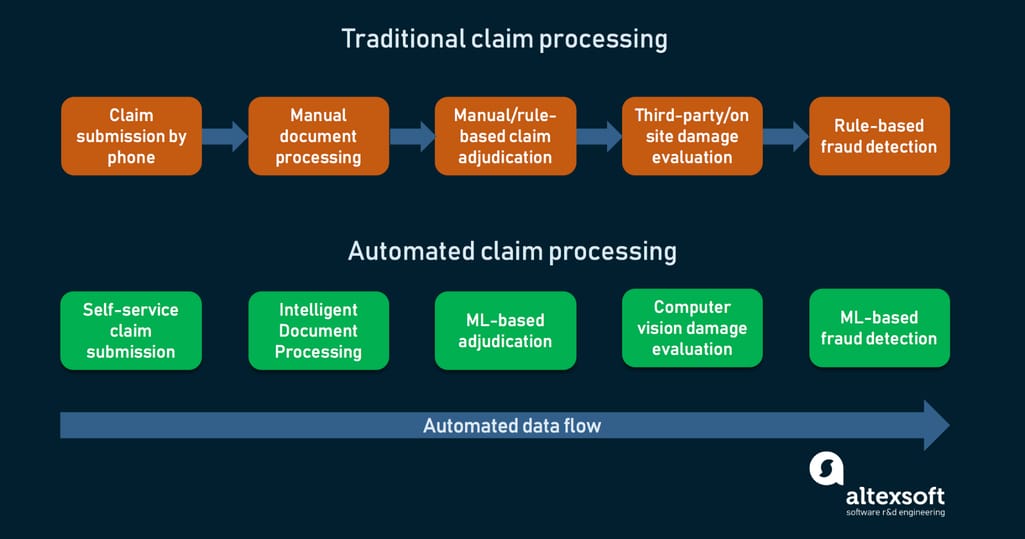
According to a Business Insider article: one firm saved 15,000 employee hours per month, reduced document-processing time by 40 % and cut turnaround time by 50 % after automation. (Business Insider)
The Automation Journey
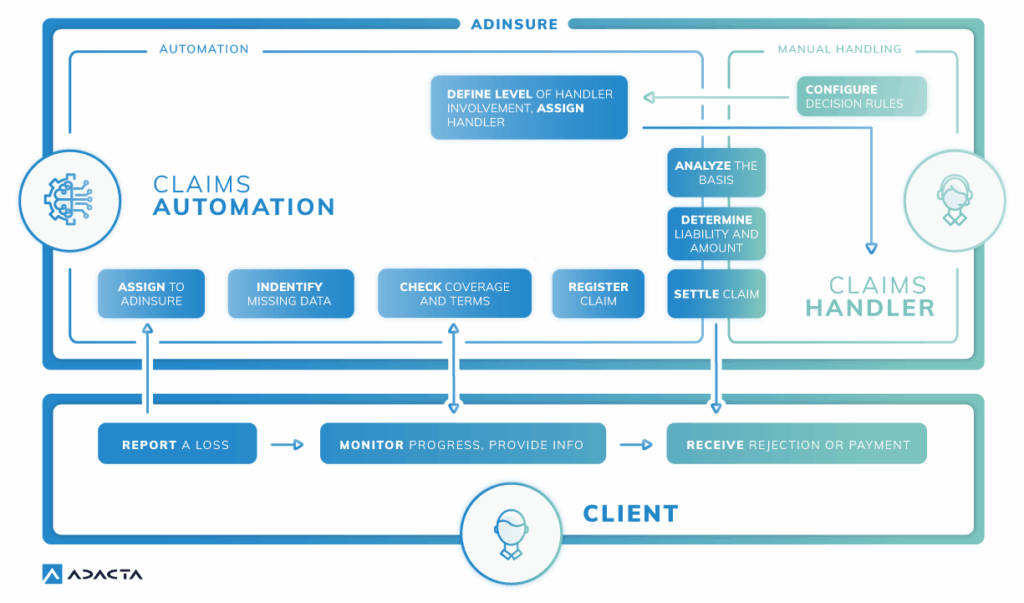
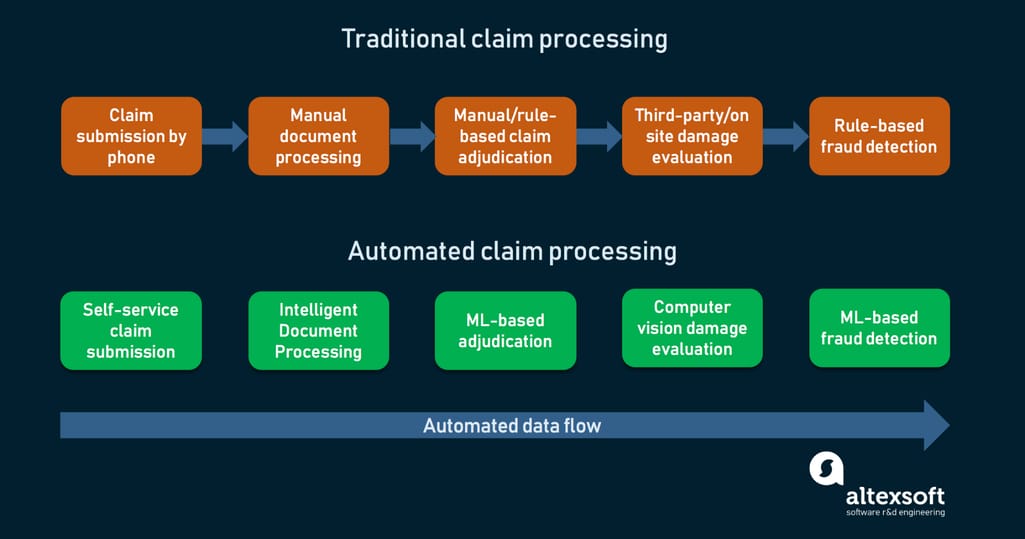
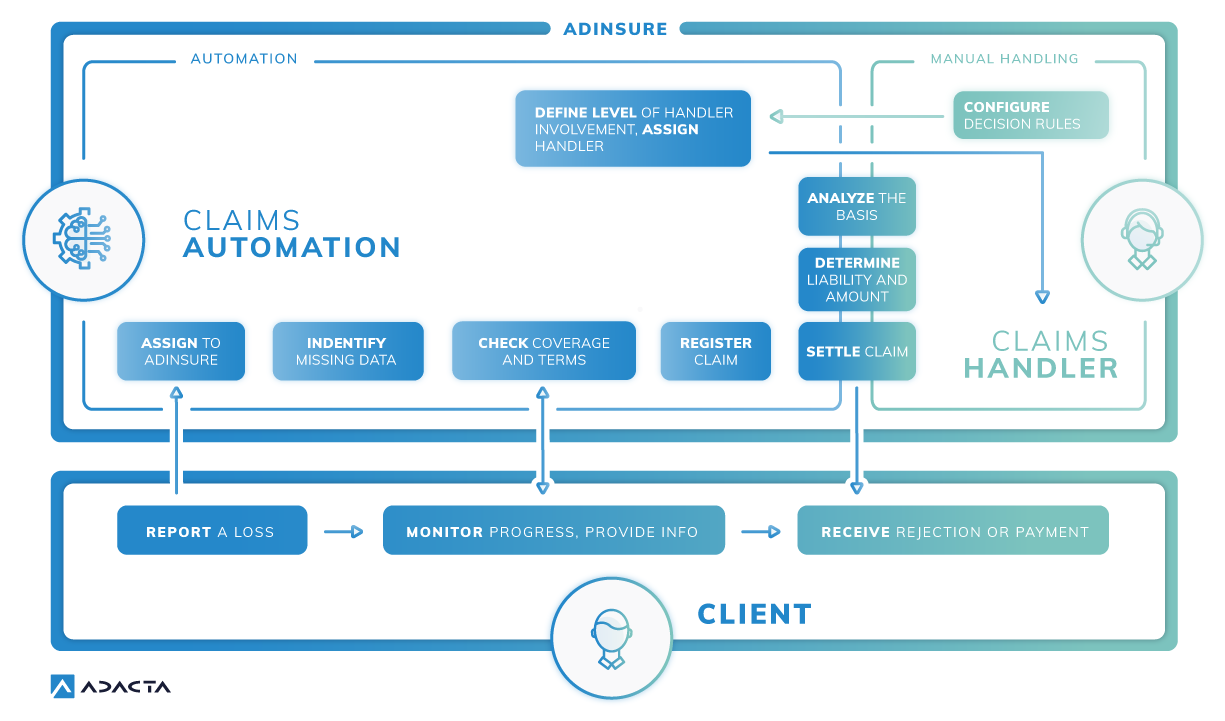
- Introduced an AI-powered “document understanding” tool to extract structured data from healthcare documents (claims, correspondence)
- Connected that into workflows that validated, routed, escalated cases automatically
- Shifted humans into oversight, exception-handling, process improvement roles rather than pure data-entry
The Outcomes
- Massive reduction in manual hours → more time for strategic tasks
- Turnaround times cut and accuracy improved
- Better capacity to scale without linear hiring
What PeopleOps Would Do
- Discover & map the manual workflows: what tasks, what triggers, what bottlenecks
- Design a hybrid automation where the tool handles the repeatable bulk and people handle exceptions
- Measure early & often: e.g., baseline hours spent, error-rates, cycle-time, and then track automation impact
- Roll-out incrementally: start with the highest impact process, then expand
Case Study #2: Supplier/Customer Onboarding & Workflow Automation

The Pain Points
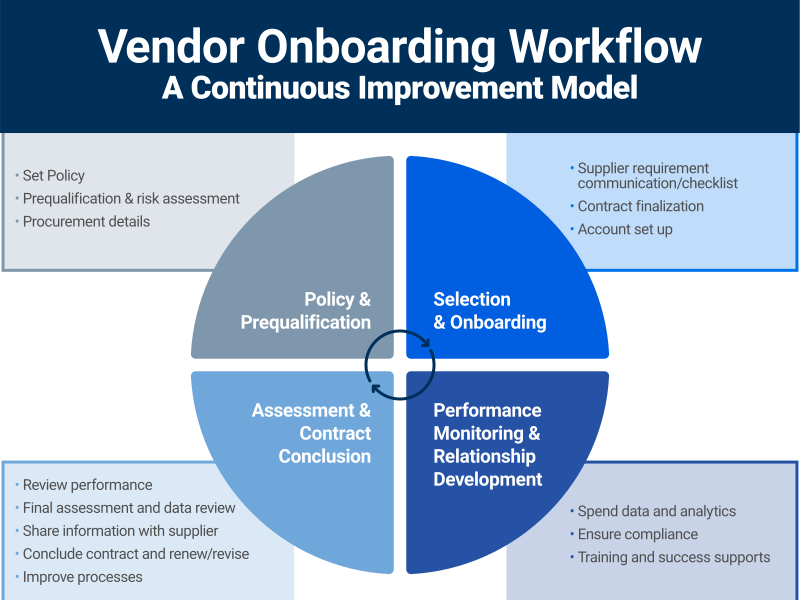
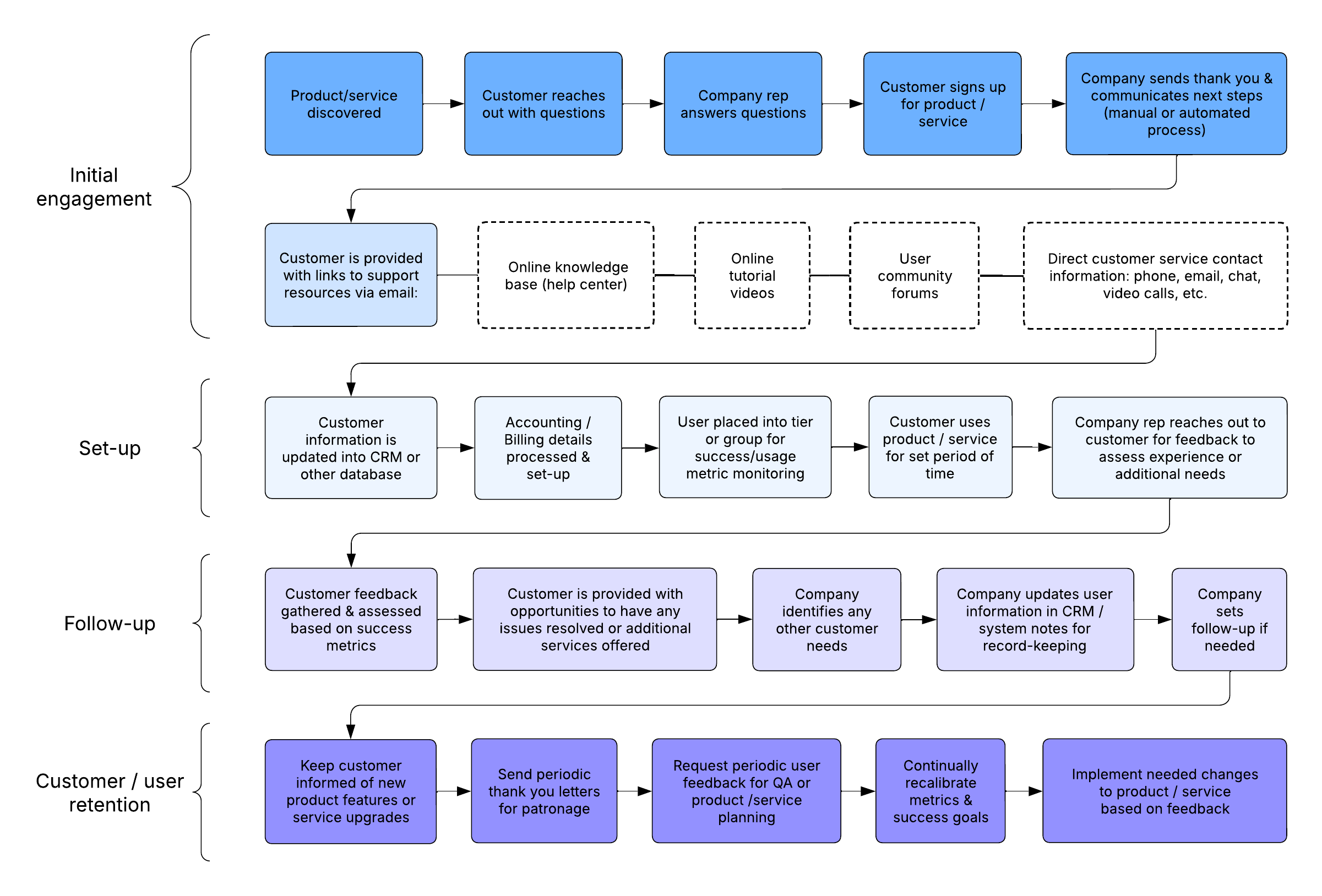
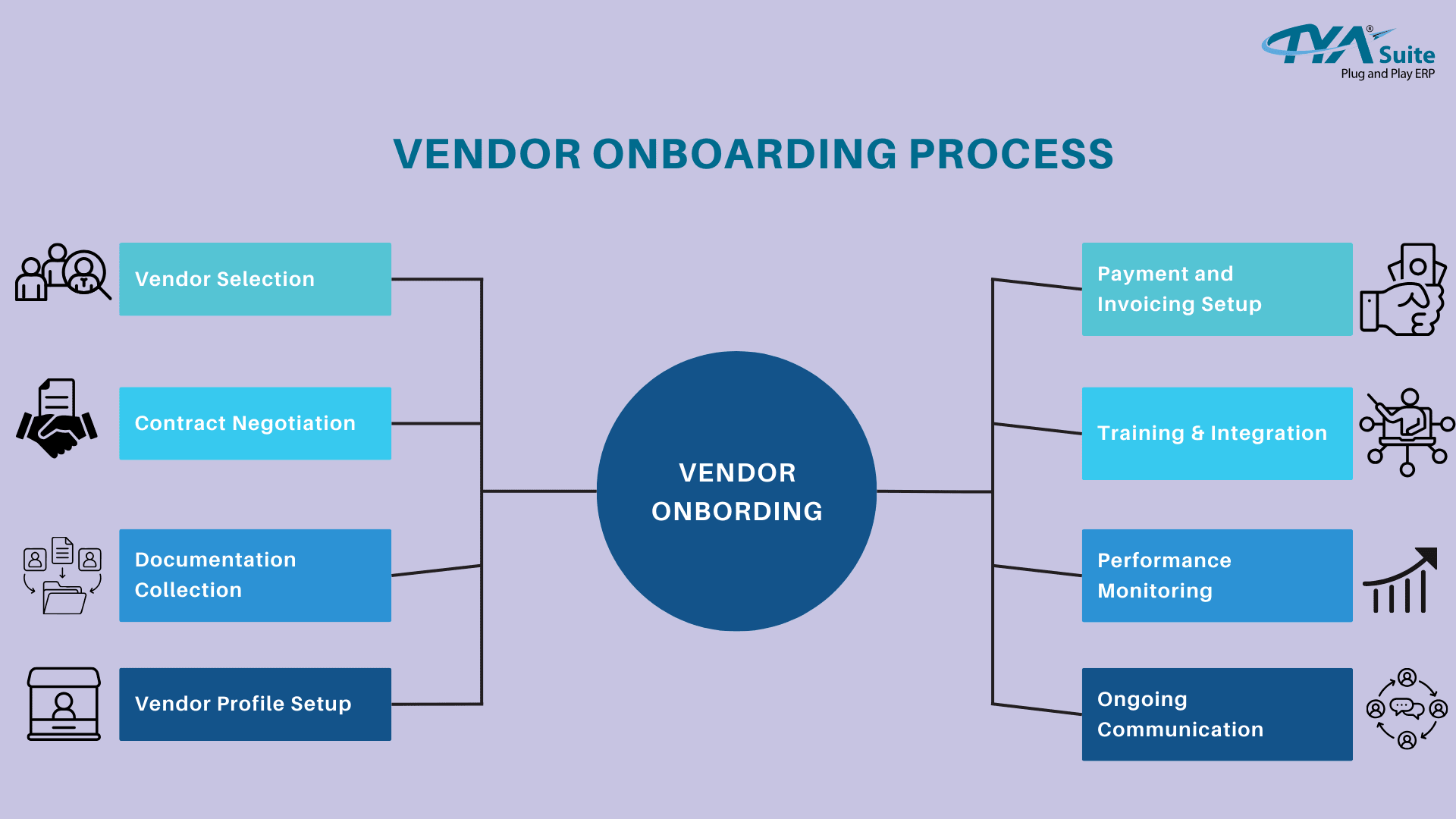
Many organisations still rely on manual forms, email chains, spreadsheets and even paper when onboarding new suppliers or customers. The issues include:
- Fragmented data sources: info in multiple systems, manual consolidation needed
- Slow onboarding → delays in revenue recognition or supplier activation
- Audit/risk issues (especially where supplier data must meet compliance)
As one source put it: onboarding is a common target for automation because manual is error-prone, inconsistent and lacks transparency. (FlowForma)
The Automation Journey
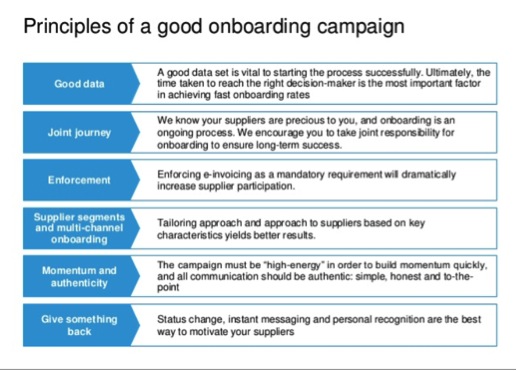
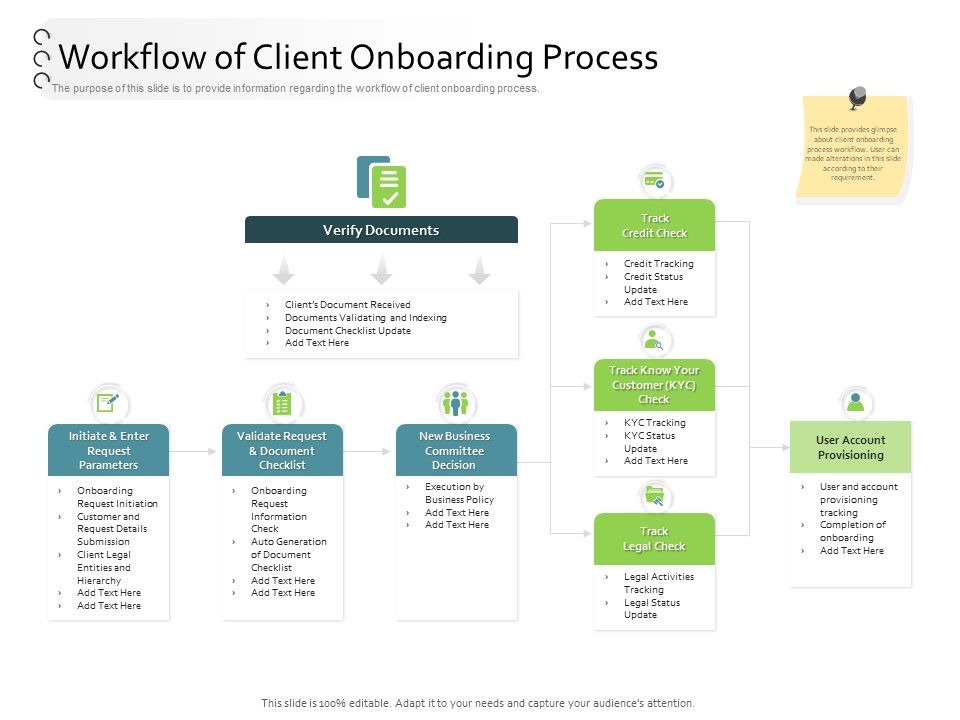
- Built an end-to-end digital workflow: form submission, automatic data capture, validation against rules, approvals routed automatically
- Integrated with back-end systems (ERP/CRM) to auto-populate supplier/customer records
- Added dashboards for visibility on where each onboarding stands (who’s waiting, what tasks are pending)
The Outcomes
- Faster onboarding (less manual touch)
- Fewer errors / rejected records
- Better visibility & control of onboarding pipeline
- Freed up staff to engage more strategically (e.g., supplier relationship development rather than data chase)
How PeopleOps Helps
- Map your current onboarding process: identify all steps, decision points, dependencies
- Define automation scope: what can be fully automated, what needs human review
- Implement automation with feedback loops: humans review exceptions, fine-tune rules, expand scope
- Track metrics: onboarding cycle time, error rate, cost per onboarding
Case Study #3: Manufacturing / Supply-Chain Automation


The Pain Points
In manufacturing and logistics, automation isn’t just “nice to have” — it’s often required to stay competitive (faster turnaround, lower labor cost, higher reliability). Manual processes cause:
- Delays in picking/packing/fulfilment
- Scale limitations (you can’t keep hiring linearly)
- Error rates & quality issues
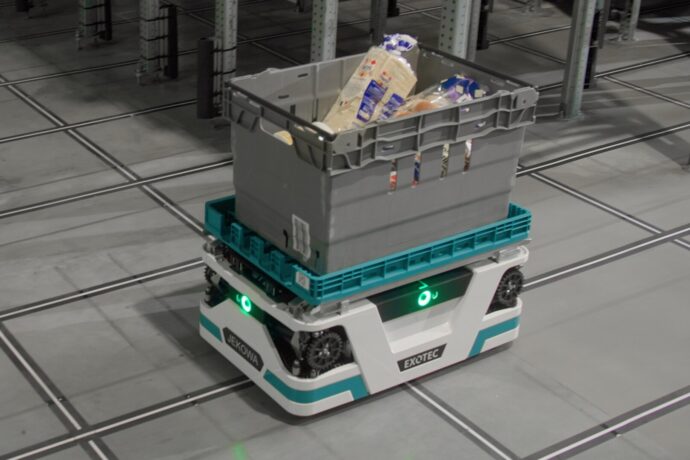
One notable automation company, Symbotic, supplies unmanned robotic systems that travel independently in warehouses, retrieving inventory faster and with fewer errors than traditional methods. (Wikipedia)
The Automation Journey
- Deployed autonomous robots to retrieve, move and pack inventory in high-speed warehouses
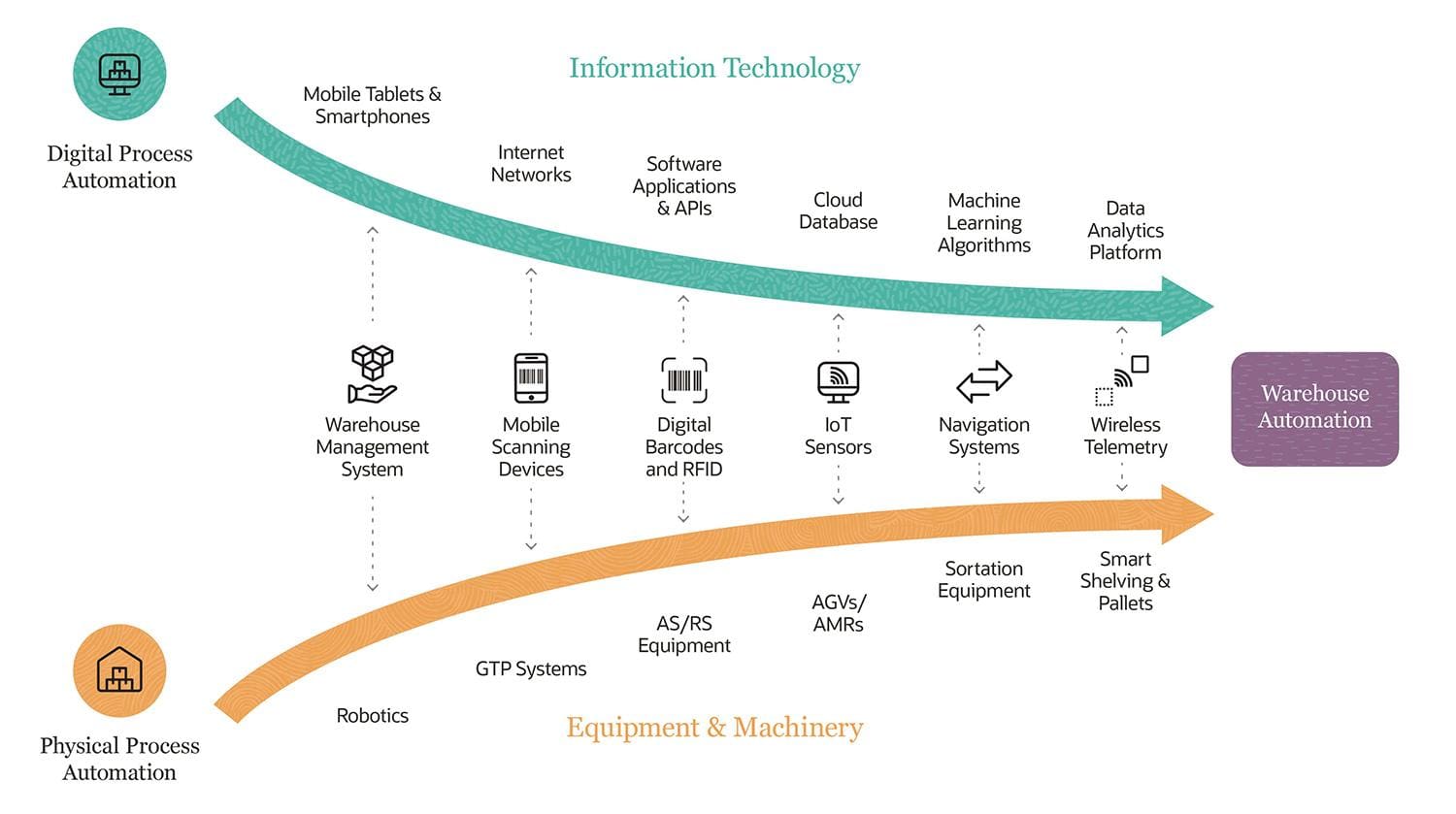
- Integrated robotics with warehouse management system (WMS) + inventory control + analytics for real-time optimization
- Re-designed process flows: humans focus on exception handling, maintenance and optimisation rather than repetitive movement
The Outcomes
- Significant productivity gains (robots operate continuously, faster than manual)
- Lower error rates, fewer lost items
- Scalability: centre can handle more volume without proportional increase in labor
- Re-shaped workforce: skills shifted toward robotics maintenance, data & analytics, process improvement
PeopleOps Role
- Work with your ops/engineering teams to identify the high-volume, repetitive tasks (e.g., picking/packing)
- Design automation + human workflow: build human-in-the-loop for exceptions
- Integrate robotics/automation system with data-layer and orchestration (so you don’t build an island)
- Monitor KPIs: throughput, error rate, cost per unit, labour hours per unit
Recurrent Themes & Key Insights
From the above examples, certain patterns emerge. Recognising them can help you accelerate your own automation transformation.
| Insight | Why It Matters |
|---|---|
| Start with process discovery | Most failures come from automating without knowing what’s broken. Map and measure first. |
| Hybrid models win | Full automation is possible, but humans still matter — especially for exceptions, decisions, creative work. |
| Measure impact | Hours saved, cycle-time reductions, error-rate drops. These metrics build the business case. |
| Data & integration are critical | Automation isolated from systems/data often fails. Integration ensures end-to-end value. |
| Workforce transformation matters | Automation shifts roles. Training, change management and reskilling are just as important as the technology. |
| Scale thoughtfully | After a successful pilot, scale the automation to more processes, while refining the approach. |
How PeopleOps Helps You Transform
At PeopleOps, our offering is designed to mirror what these real-life companies achieved — tailored to your unique business context.
- Process & role audit – We work with your team to map current workflows, identify automation opportunity-areas (both full and human-in-the-loop).
- Automation design & build – Our automation architects build workflows using AI-agents or rule-based bots depending on your need. Two tracks:
- Full automation (minimal human involvement)
- Human-in-the-loop automation (humans handle exceptions, review outcomes)
- Integration & deployment – We connect with your systems (CRM, ERP, HRIS, internal tools) so automation doesn’t live in a silo.
- Change-management & training – We help shift your team’s mindset: from “doing manual tasks” to “overseeing intelligent processes”.
- Measurement & optimization – Set up KPIs (hours saved, error-rate, cycle-time), monitor results, continuously refine the automation.
- Scale-up roadmap – Once initial wins are delivered, we plan broader automation across other departments/functions.
Getting Started: Your Automation Roadmap
Here’s a high-level roadmap you can follow:
- Phase 0: Preparation
- Create stakeholder alignment: Why automation? What are expected outcomes?
- Inventory processes: talk to teams, get data on manual tasks, volumes, costs.
- Phase 1: Discovery & small-scale pilot
- Choose 1-2 high-impact workflows (e.g., onboarding, claims processing)
- Map current process, measure baseline (hours, error, cost)
- Design automation solution (full or hybrid)
- Phase 2: Deployment & measurement
- Build and deploy automation
- Train users
- Measure impact (hours saved, cycle-time reduction, ROI)
- Phase 3: Scale & refine
- Expand to adjacent workflows or departments
- Optimise the automation (machine learning, improved rules, better exception handling)
- Communicate wins across organisation
- Phase 4: Culture & governance
- Foster a “people + automation” mindset
- Establish automation governance (who owns bots/agents, monitoring, updates)
- Continue to iterate and innovate
In Summary
The case studies above show one thing clearly: automation works — when done right. From healthcare claims to supplier onboarding to warehouse robotics, mission-critical work is being transformed.
At PeopleOps, we partner with organisations to bring this transformation to you: identifying where automation will deliver the most value, designing solutions that work with your people, and delivering measurable results.
If your team is tired of manual, repetitive work and ready to shift focus to strategic, value-driving tasks — reach out. Let’s map your automation journey together.
Image placeholders throughout this post represent generic visuals related to automation in healthcare, onboarding workflows, manufacturing/warehouse automation. Feel free to replace with your brand-specific imagery or customer photos when publishing.
Would you like me to draft three sub-blog posts that dive deeper into each of the case-studies (e.g., one for Healthcare, one for Onboarding, one for Manufacturing) with outlines and suggested headings?
Leave a Reply